
Understanding Fonterra’s Foodservice business and how it creates unique value
What happens to Fonterra’s farmers milk after it leaves the farm has a big influence on the returns it generates.
A key way Fonterra grows value is through its Foodservice business. Foodservice is the channel that supplies dairy to cafés, restaurants, bakeries and food companies in more than 50 countries under the Anchor Food Professionals™ brand.
Foodservice isn’t a single market. It’s made up of five distinct channels (bakery, beverage, dining, quick service restaurants and retailised foodservice), each with its own needs and ways of using dairy. Together, these five channels act like a balanced portfolio, combining higher-value uses, steady demand and future growth to help get more from every litre of milk.
From a morning coffee to a restaurant meal or a ready-made dinner, each occasion creates a different opportunity for Fonterra to turn milk into returns.
Bakery: Where dairy earns a premium
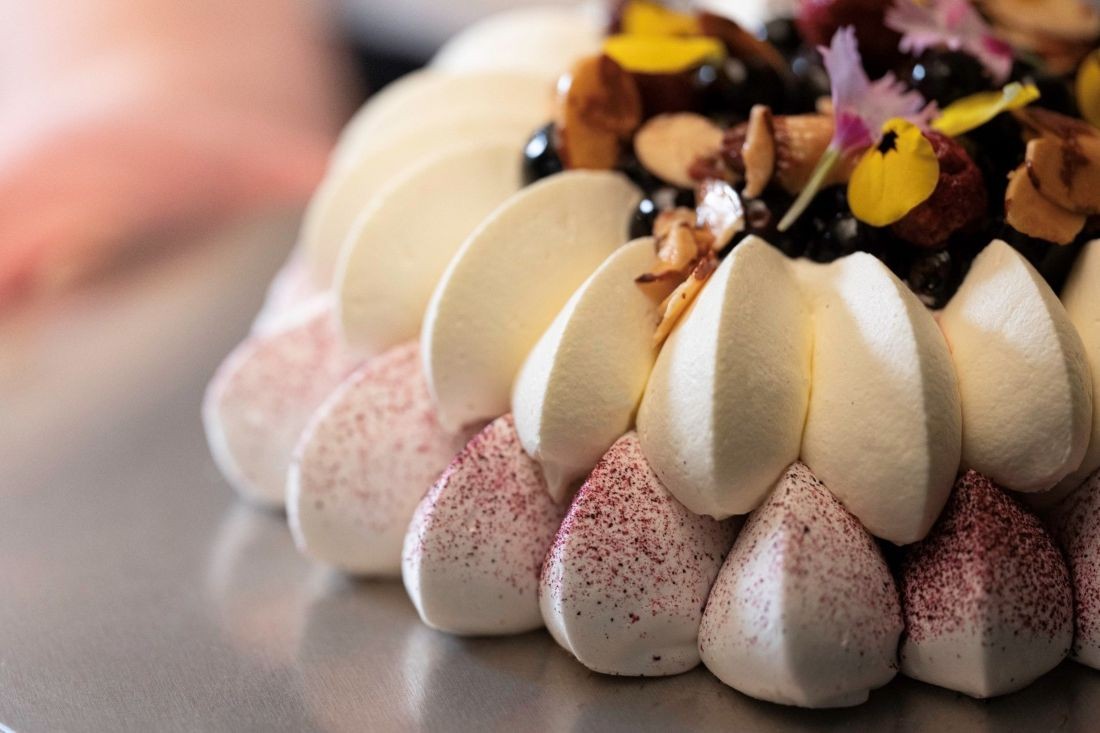
In the bakery channel, dairy is central to the product itself. Croissants, pastries, cream cakes and cheesecakes all rely heavily on ingredients like butter, cream, cheese and cream cheese. Butter creates the flaky layers in pastry, while cream and cream cheese shape the texture and finish of cakes and fillings. Cheese adds richness and flavour. In these products, dairy plays a critical role in delivering the quality customers expect.
Because of this, performance and consistency are crucial. Bakers are willing to pay more for ingredients that deliver reliable results every time. This means Fonterra can work closely with customers to develop more specialised, customised solutions that deliver greater value from that milk.
Beverage: Capturing global growth
The foodservice beverage channel includes coffee shops, tea chains, dessert bars and café-style outlets, and it’s one of the fastest-growing areas of foodservice globally. Products like lattes, milk teas, bubble tea and indulgent dessert drinks rely on dairy to deliver texture, taste and visual appeal. Creamy foams, cheese-based toppings and soft serve also showcase dairy in highly visible ways to consumers.
As consumer habits shift, demand for dairy in beverages is growing, with people seeking customisable, treat-like drinks – building future demand for milk and opening new opportunities for growth.
Dining: Consistent value on the plate
As Western-style eating becomes more widespread in Asian markets, dairy is being used in an expanding range of dishes from cream-based sauces and soups to butter in cooking and cheese in savoury meals. Because it plays such an important role in flavour and quality, businesses place a premium on foodservice products that perform well and deliver consistency.
This combination of broad usage and premium expectations supports steady, higher-value returns, driven by a quality-over-quantity approach.
Quick Service Restaurants: Scale and certainty
Quick Service Restaurants are the fast-food chains serving pizza, burgers, sandwiches and desserts.
This channel is built on high volume, consistency and speed. Dairy ingredients like mozzarella, processed cheese, butter and cream must perform reliably every time, from evenly melting cheese on every pizza to delivering the same taste across markets.
The true strength of Quick Service Restaurants lies in its scale. These businesses create large, predictable demand providing a stable foundation for returns.
Retailised foodservice: Meeting the shift to convenience
Retailised foodservice sits between retail and traditional foodservice. It includes ready-made meals, soups, sauces, beverages and baked goods sold through supermarkets and convenience stores like 7-Elevens.
These products are designed for how people eat today, at home, on the go or around busy schedules, while still delivering a foodservice-style eating experience. Dairy remains a core ingredient, bringing the texture, richness and functionality needed to recreate that experience in a convenient format.
As demand for convenience grows, this channel continues to open new ways to connect with consumers while creating value from milk.
Different channels, greater strength
No single channel does everything, and that is the strength of the Foodservice business.
Some channels, like bakery and dining, lift the value of milk by placing it into higher-value products. Others, like beverage and retailised foodservice, expand how dairy is used as consumer habits evolve. Quick Service Restaurants complement this by providing scale and consistency, underpinning stable demand.
By working across all five channels, Fonterra isn’t reliant on a single market, region or trend. Instead, it balances higher margins, steady demand and future growth, strengthening its position in a changing global market.
Turning milk into stronger returns
The key point is simple: not all milk delivers the same value – it depends how it’s used.
By spreading milk across these different channels, the Co-op gets more from every litre and does so more consistently over time supporting sustainable, long-term value for farmers.